|
 |
 |
 |
 |
 |
 |
 |
 |
 |
Habitat/Green Space Protection | ||||||
| Conservation Authorities | Humbug Marsh | Marshfield Woods | Ojibway Shoreline | Spring Garden | Essex County | Community Garden |
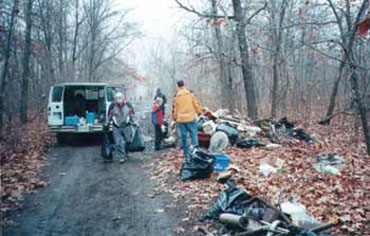 
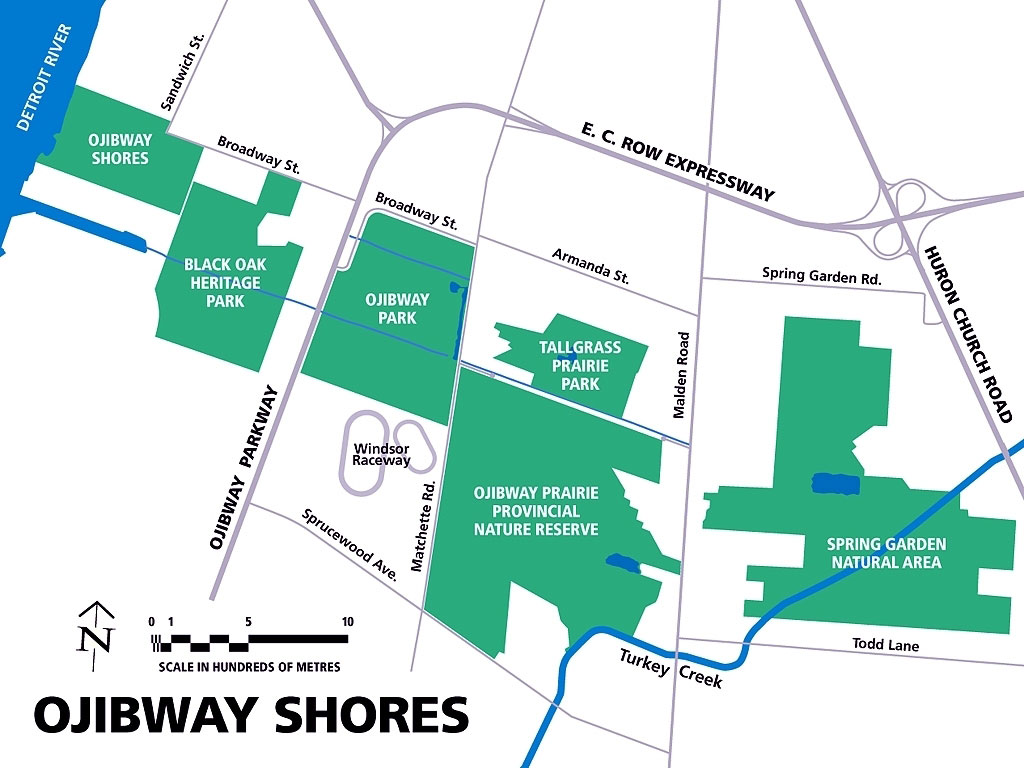
Since its inception in 1985, the CEA has challenged governments and private land owners to maintain the few green spaces left in our region. Our mandate to restore, maintain and enhance our local environment is a never-ending struggle to balance the needs of our local environment with the needs of the citizenry. Success stories which include Humbug Marsh and the Spring Garden Complex are balanced by on-going challenges with Marshfield Woods and the Ojibway Shoreline, the last remaining natural shoreline in the City of Windsor. The CEA is steadfast in its determination to conserve what few natural areas we have left and enhance existing natural areas. 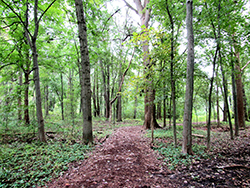 CEA Responds to Provincial Policy Statement Review October 2019 Proposed changes to the Provincial Policy Statement (PPS) by the provincial government will diminish protections to the natural environment and farmland across Ontario. The review unduly favours development over other provincial interests, particularly environmental protection. Environmental groups from across Ontario, including the CEA, have submitted comments to the government regarding the PPS review, read submission.  Ontario Weakening Endangered Species Protection, Again March 2019 The Ontario government is attempting to weaken endangered species legislation. A discussion paper reviewing the Endangered Species Act was released for public comment and it was replete with code words intended to deregulate and make it easier for industry and developers to harm species at risk and their habitats. The CEA responded to the discussion paper with a submission, ESA review comments.pdf.  Ojibway Shores an Ecological Superstar September 2017 A recent, comprehensive analysis of Ojibway Shores has revealed the site to be a natural heritage gem. Of the 10 criteria used in the analysis, achieving 1 of 10 criteria indicates important natural heritage significance, Ojibway Shores met 9 of 10 criteria! There is no doubt that preserving Ojibway Shores as a natural heritage site would have important environmental benefits for the Detroit River watershed. Thanks to the Essex County Field Naturalists for supervising this research project and providing the data, along with partners, for publication and public review. Review the report and maps: Ojibway Shores Natural Heritage Inventory/Evaluation 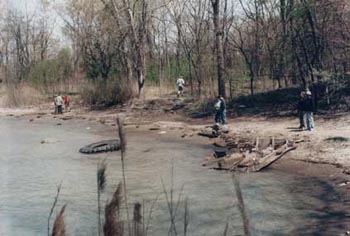 Ojibway Shoreline Citizens Show Overwhelming Support for Ojibway Shores With over 13.5 hectares of woodlot, a marshy pond and 500 metres of natural Detroit River shoreline, Ojibway Shores is a ecological gem in an otherwise heavily developed Detroit River watershed. In its current state, Ojibway Shores acts as a wildlife linkage or corridor between the Detroit River and the interior significant sites of the Ojibway complex including Black Oak Woods, Ojibway Park, Ojibway Prairie, and Spring Garden ANSI. Ojibway Shores is owned by the Federal Government of Canada and is administered by the Windsor Port Authority. On July 3rd, 2012 at Mackenzie Hall in Windsor, the Windsor Port Authority held a public meeting to reveal its plan to destroy the property known as Ojibway Shores.  Citizens Environment Alliance will Demand Protection for Ojibway Shores at Windsor Port Authority Annual Meeting - Thursday, June 6, 2002 The Future of Ojibway Shores Ojibway Shores - Black Oak Woods - Brighton Beach: Exploring Options For Community Action CEA demands cleanup at Ojibway Shores Harbour Commission Project Will Destroy Ojibway Shoreline Habitat Activists Fight to Save Shoreline 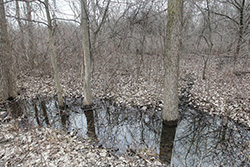 Options for Improving Conservation Authorities in Ontario The CEA, in collaboration with several organizations that support integrated watershed management in Ontario, has submitted the following comments. The submission is in response to Ontario's proposal for renewal of the Conservation Authorities Act. Among the proposals, we recommend there be a legislated set of principles used in fulfilling the purpose of the Act and that diverse representation on the governing boards of conservation authorities be ensured. Threatened with development in 1999, the CEA along with many other concerned groups rallied to maintain the marsh as a wetland. Humbug Marsh was the last remaining wetland along the U.S. side of the Detroit River. Not only was the marsh eventually saved from development, but it became a U.S. government protected wildlife refuge in 2004. Being 300 acres in size, Marshfield Woods is one of the few remaining places that offer interior forest habitat. This unique habitat creates conditions suitable for wildflowers and songbirds; some of which are endangered. Marshfield Woods contains 41 different species of
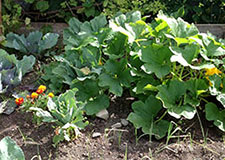
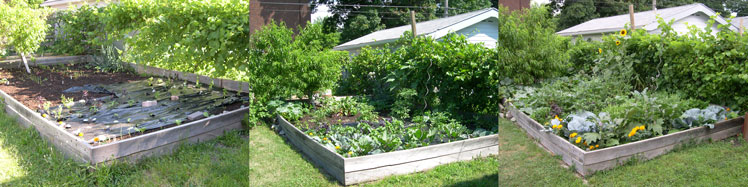
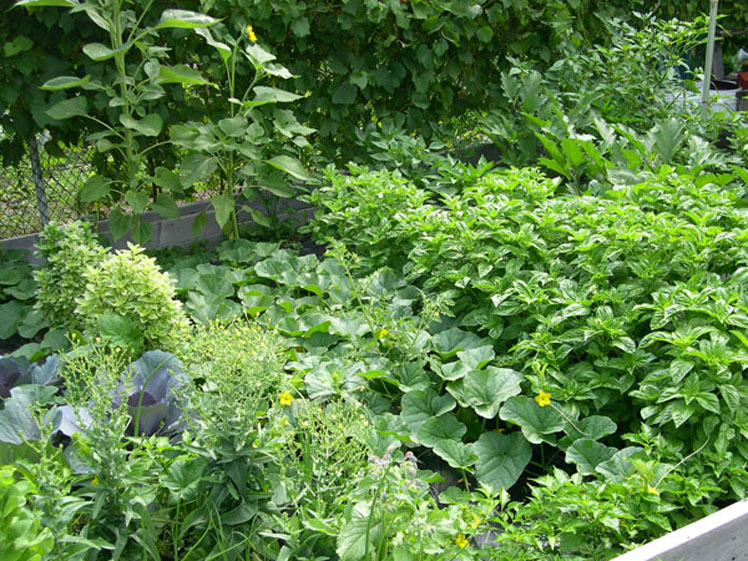
trees and shrubs. It is home to many animals, and has 14 different species of plants classified as provincially rare. It has also been threatend by commercial development. The area of discussion is a mixture of residences, commercial, institutional sites, and utilities. This sizeable, varied area is south of E.C.'Row Expressway, east of Malden Road, and west of Huron Church Road. The site borders the town of LaSalle, and the Grand Marais Drain flows through a significant portion of this area. Somewhat surprisingly, within the centre of this varied, growing 700 acre area, lies a natural area of approximately 300 acres. This area is a mix of wetlands, woodlands, and prairie habitat. Despite the intense development that has occurred around it in he past 20 years, this natural gem has retained its biodiversity and functions as a relatively vibrant natural community. This has come to be known as the Spring Garden Complex. Former Dump Site an Island of Green in Detroit River City of Windsor Must Improve its Effort to Protect Natural Areas City of Windsor Must Improve its Effort to Protect Natural Areas CEA Joins Ontario Smart Growth Network St. Clair College Environmentally Significant Area threatened by development The CEA garden plot was first created about 10 years ago by the Fed UP gardening collective. Those early efforts continue to bear fruit and the CEA believes it is important to show citizens how easy gardening can show positive results on so many levels without the use of pesticides or fertilizers. One visible sign of not using chemicals is the level of bees and other pollinators found in the plot. Rich, well-drained soil is the foundation or "bones" for any productive garden. The garden depends largely of the use of good compost, primarily from mushroom compost waste which makes the soil nutrient rich, well drained, yet able to hold moisture and create an environment where plants grow well. Where possible, seeds from previous years are used such as with the sunflowers, kale, tomatillos, borage, and other herbs. Seed saving is the best way to encourage seed diversity and keep seed security in public hands given concerns over GMOs and monoculture. The garden also uses strategies of companion planting and rotation to hinder pests. Herbs and hot peppers make excellent border plants to protect more vulnerable plants. The CEA garden, though small in size, produces a significant harvest over the growing season. Plans for expanding the growing season and to also propagate native species are in the works. We hope our efforts and positive results will help encourage your own gardening. 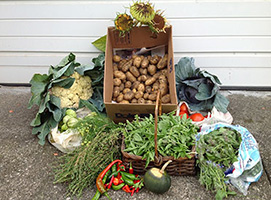

   |